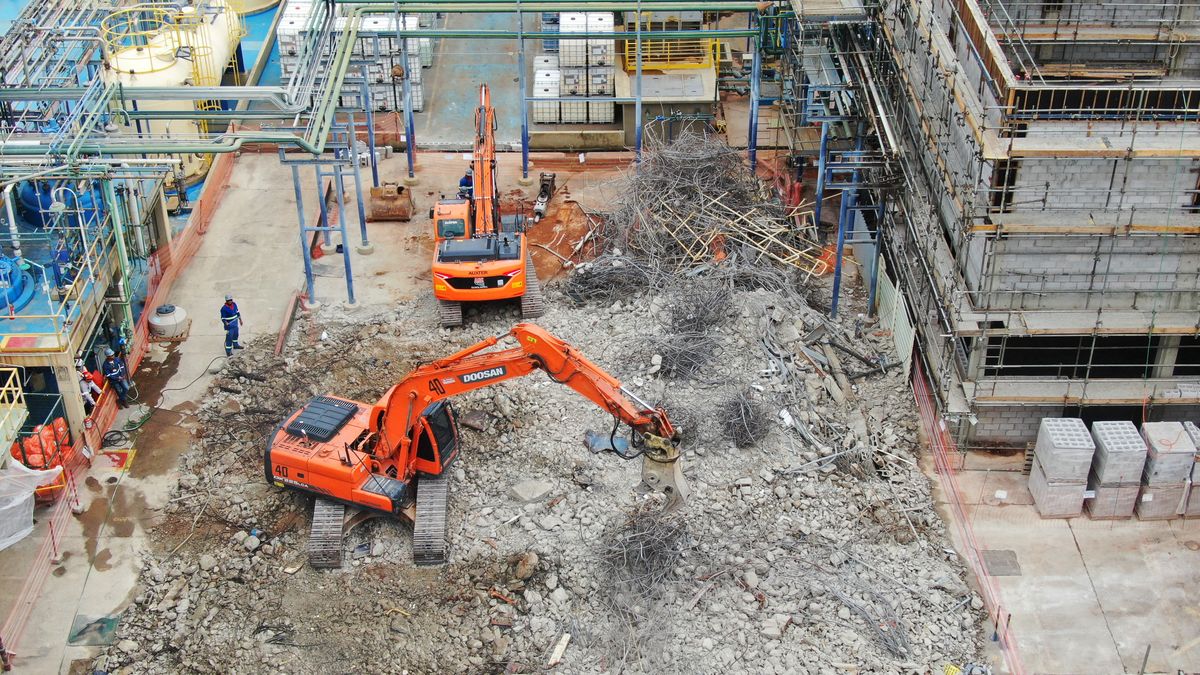
Closing, transferring, or restructuring an industrial unit involves far more than removing equipment. Structures, materials, waste, utilities, and potential liabilities all need to be identified, classified, and handled within a plan that accounts for safety, logistics, and environmental responsibility.
When decommissioning is carried out without integrating these fronts, hidden problems can remain at the site and resurface during a sale, a change of use, or a future environmental assessment.
The work can include an inventory of equipment and structures, decommissioning planning, management of waste and hazardous materials, controlled demolition, and decontamination of equipment and buildings.
When impacts to soil or groundwater are identified, investigation and remediation can be built into the plan, allowing the facility's physical closure to move forward in step with environmental management of the site.
Industrial decommissioning calls for detailed execution sequencing, safety controls, and planning of material movements. Where contamination is involved, remediation technologies can be integrated into the schedule so that decommissioning and liability treatment don't move forward as disconnected processes.
Integrating investigation, remediation, and decommissioning reduces handoffs between vendors and supports technical continuity, traceable decisions, and coordinated scheduling.
Every industry has its own processes, substances, operating history, and environmental risks. That's why the approach has to start from the reality of the operation, turning sector knowledge into an investigation, intervention, and monitoring strategy suited to each context.
Plan the decommissioning with operational, environmental, and safety considerations built in from the start.
Talk to our team
Technology only delivers results when it's applied to the right…
Learn more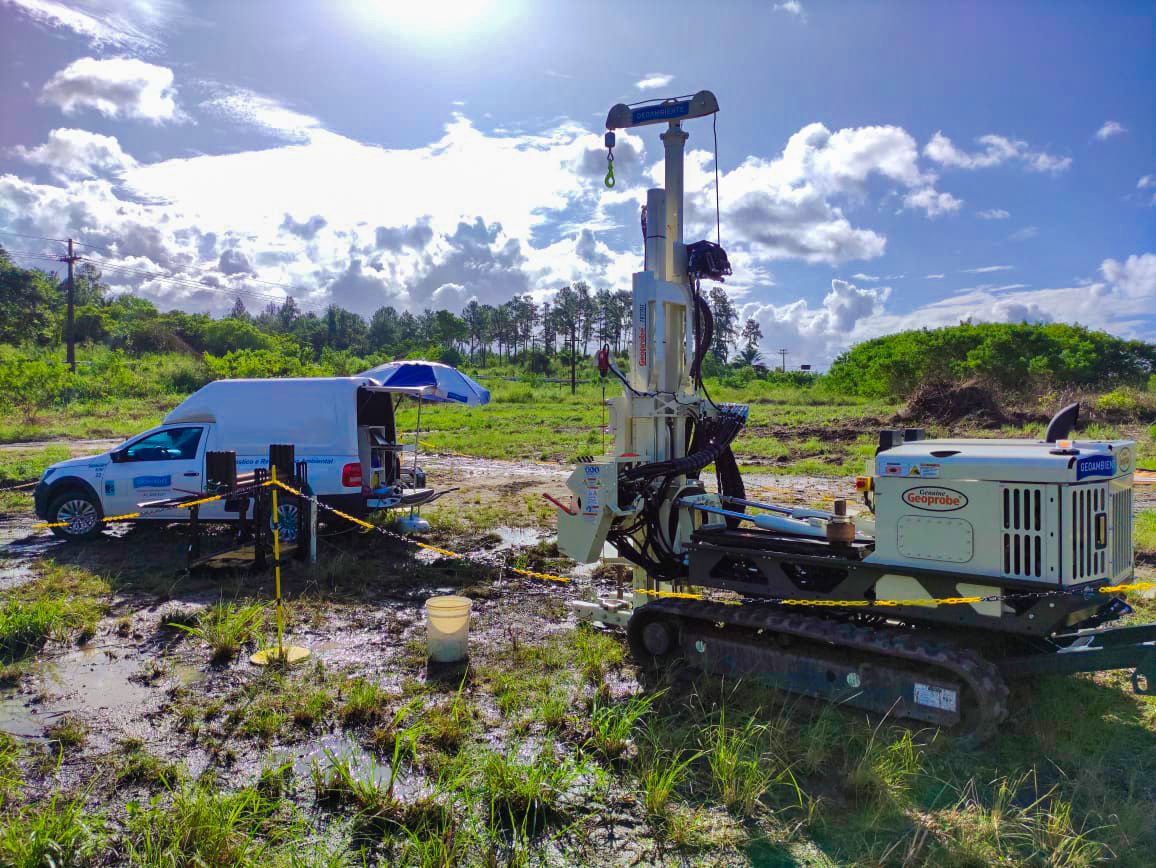
Knowing what lies beneath the surface, precisely, is the first step toward sound environmental…
Learn more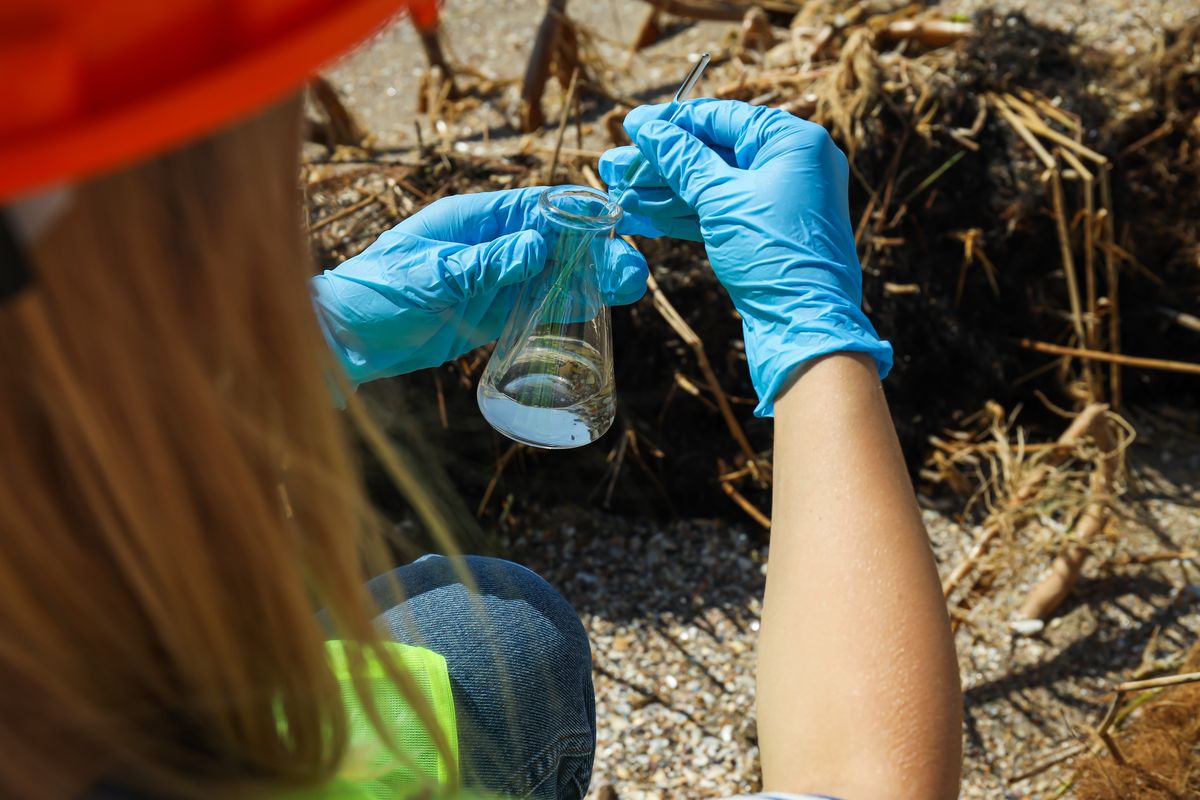
Turning an environmental liability into a controlled path to resolution takes engineering, data,…
Learn more
Remediation treats. Monitoring proves, with evidence, that the strategy delivered the expected…
Learn more
Over 23 years helping companies diagnose, remediate and close out environmental liabilities across Brazil, send us your details and our technical team will get in touch.