In contaminated site management, the effectiveness of an intervention doesn't depend on choosing the most complex technology, but on understanding the physical environment, contaminant behavior, and project objectives before deciding how to act. Geology, hydrogeology, contaminant concentration and mass distribution, depth, mobility, and the area's future use are variables that can completely change the treatment strategy.
That's why our technology portfolio is applied selectively and, when needed, in combination. Remediation systems, chemical processes, thermal solutions, surfactants, adsorbents, and substrates for biological stimulation can be combined based on the response expected at each site. The goal is to build a solution that is technically defensible, operationally viable, and aligned with schedule, performance, and cost.
Groundwater pump-and-treat systems and vapor or liquid-phase extraction are proven alternatives for different contaminant mobilization and recovery scenarios. Thermal remediation uses controlled subsurface heating to promote volatilization and removal of certain compounds, and can be a strategic choice for projects that call for a higher intensity of treatment.
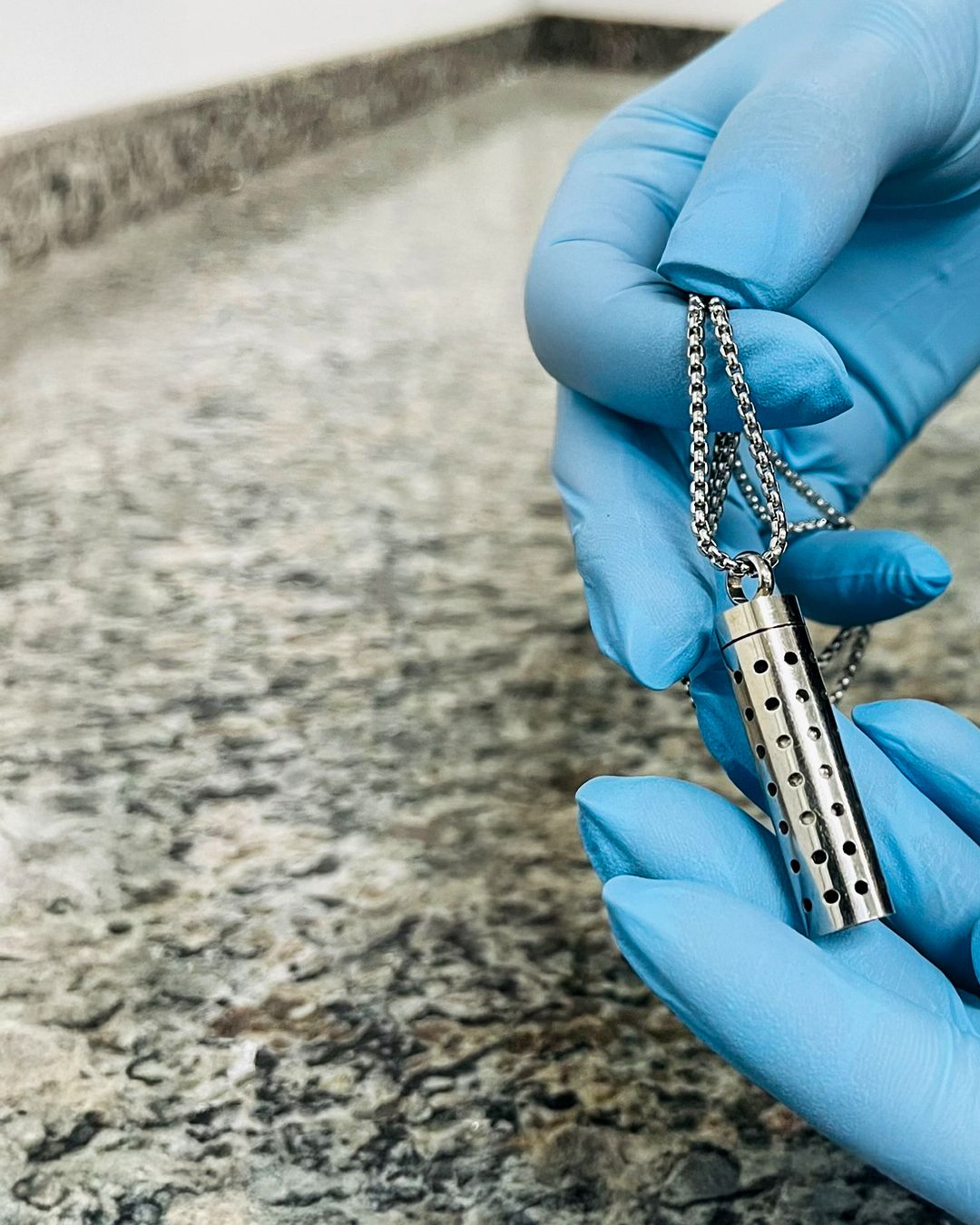
In situ chemical oxidation uses oxidizing agents to break down contaminants directly in the subsurface. Surfactants can be used to increase the mobilization of compounds trapped within the soil matrix, while Passive Soil Gas surveys (PSG) serve as an investigation and screening tool to help characterize the distribution of volatile compounds.
The ability to develop and apply our own inputs expands control over treatment strategies. The GEO line includes OxyGEO®, PersulGEO®, PeroxyGEO®, CarbonGEO®, SurfGEO®, SolveGEO®, and StableGEO®, with functions ranging from oxidation and controlled oxygen release to adsorption, contaminant mobilization, bioremediation stimulation, and reaction control.
These products aren't selected in isolation. Bench testing, investigation data, and site-specific characteristics guide concentration, application method, and any combination with other techniques.
Before any intervention, environmental investigation data needs to explain how the contamination behaves. That integrated reading is what guides technology selection and reduces the risk of applying solutions that are incompatible with actual subsurface conditions.
With a multidisciplinary team, an in-house laboratory, accumulated experience across environmental projects, and technologies developed for different scenarios, Geoambiente® connects investigation, engineering, and treatment within a single strategy.
Build a technology strategy aligned with your site's real conditions and your project's objectives.
Talk to our team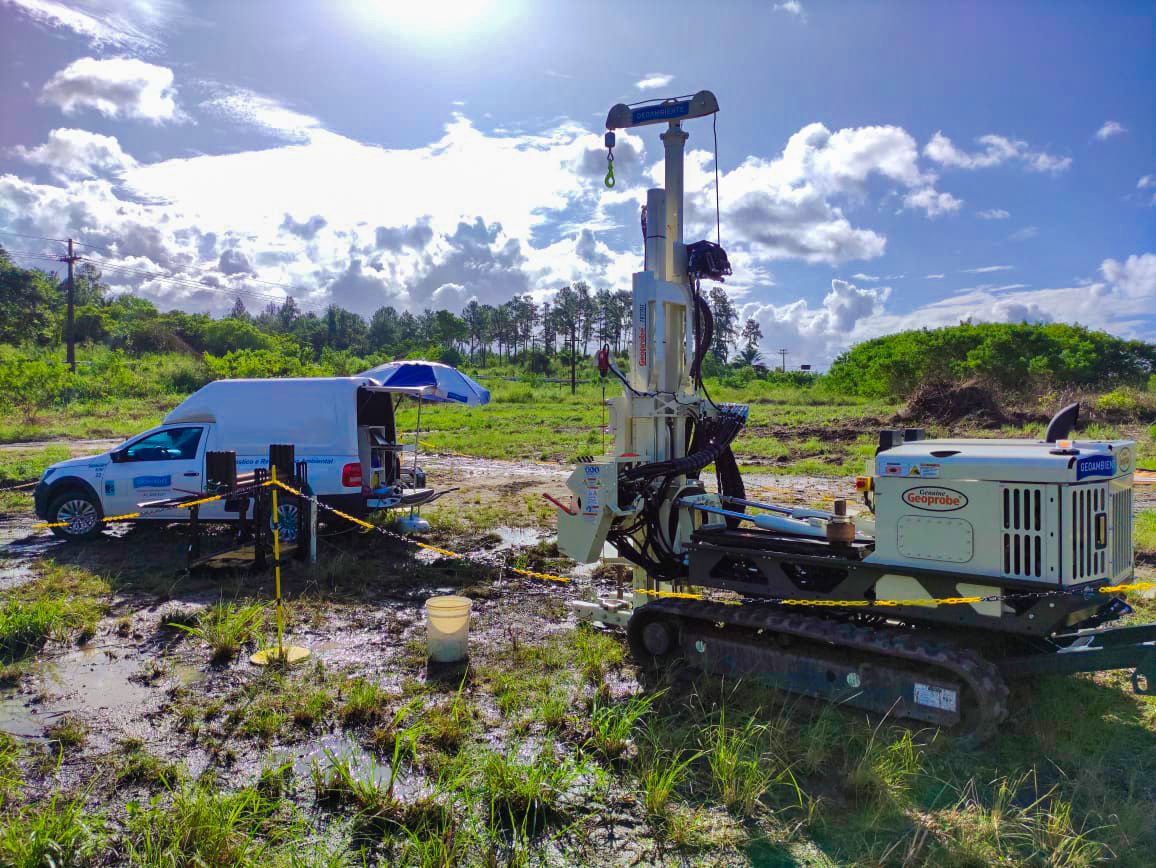
Knowing what lies beneath the surface, precisely, is the first step toward sound environmental…
Learn more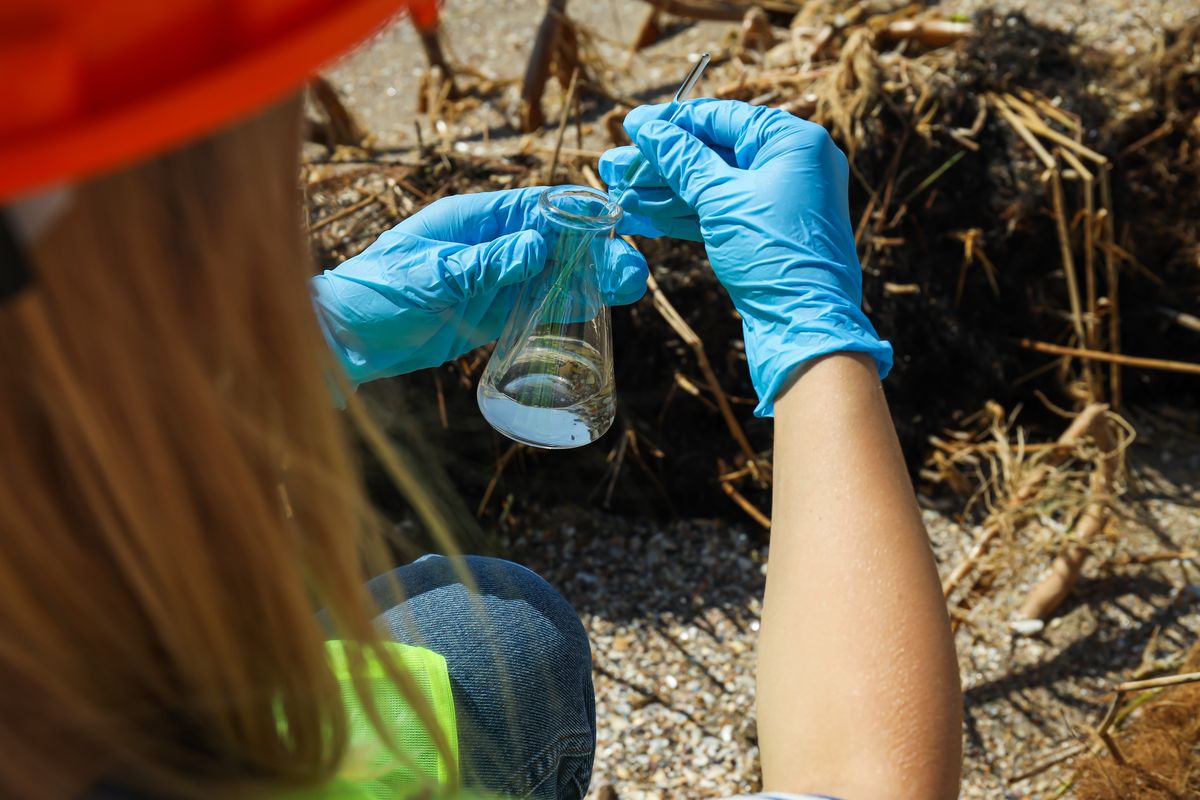
Turning an environmental liability into a controlled path to resolution takes engineering, data,…
Learn more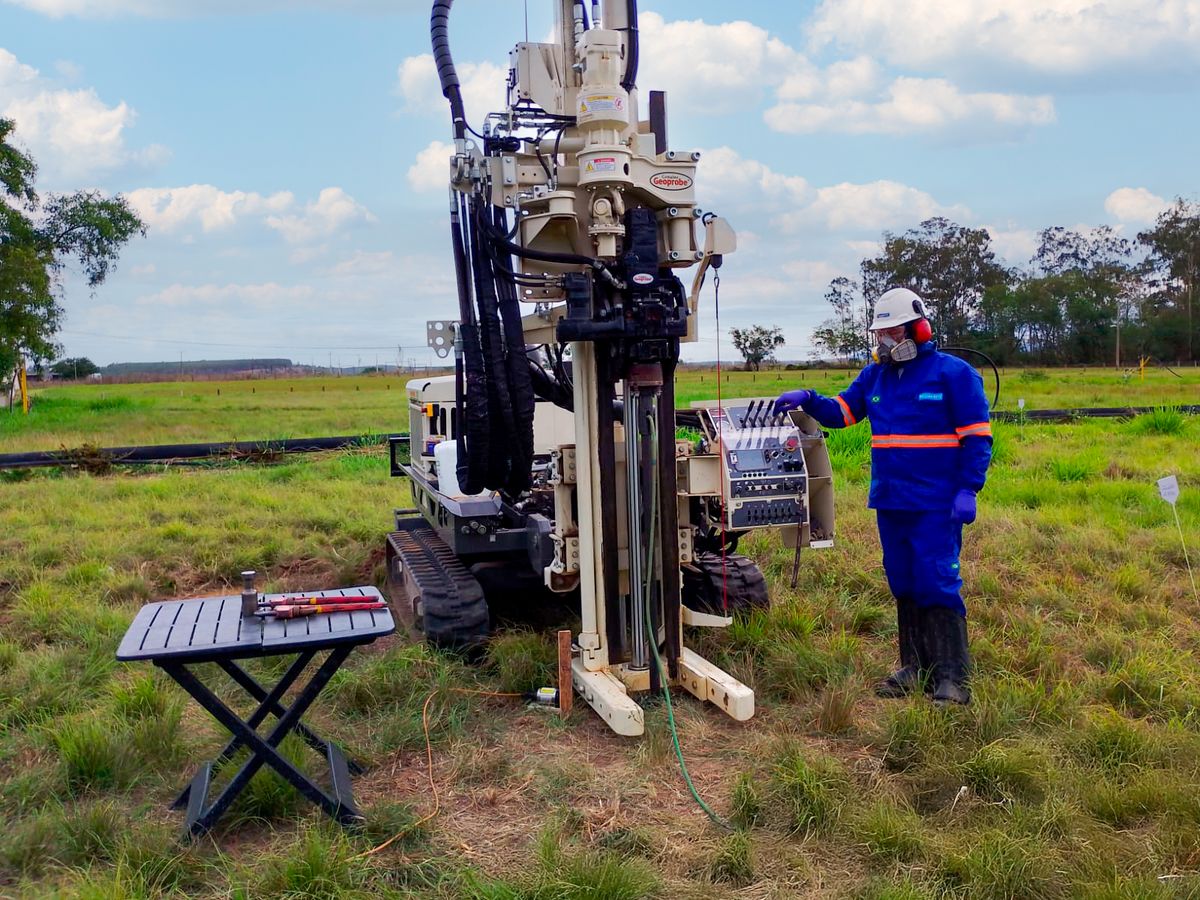
Remediation treats. Monitoring proves, with evidence, that the strategy delivered the expected…
Learn more
Complex environmental decisions need to speak the language of business…
Learn more
Over 23 years helping companies diagnose, remediate and close out environmental liabilities across Brazil, send us your details and our technical team will get in touch.