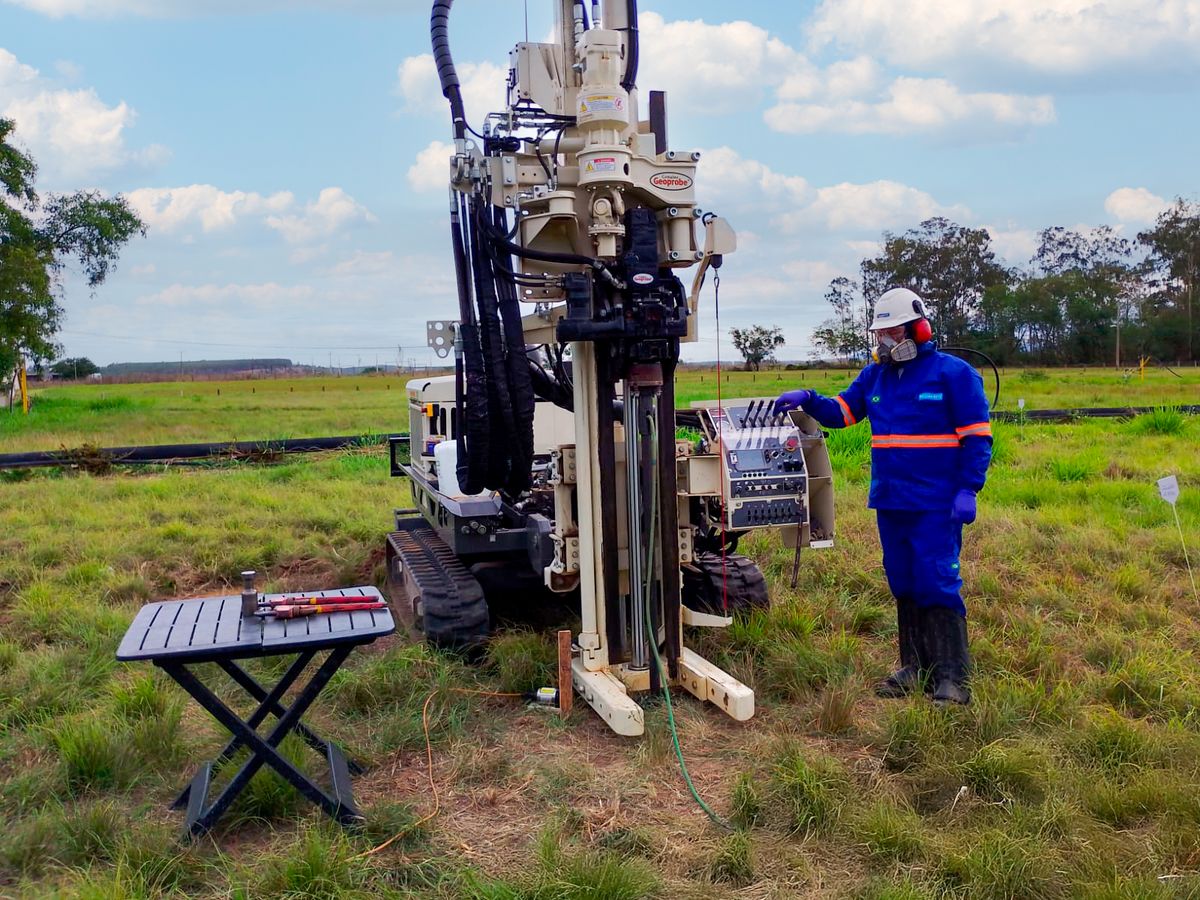
Closing out an intervention doesn't remove the need to understand how a site behaves over time. Monitoring campaigns make it possible to track trends, assess the stability of the conditions achieved, and provide technical support for decisions to continue, adjust, or close out.
This kind of tracking can also be used preventively at operating sites, building a historical baseline that catches changes before they turn into more complex liabilities.
Campaigns can cover groundwater, soil, vapor, and effluents, depending on project scope. Frequency, sampling points, parameters, and methods are set based on the site's history and the goals of the monitoring program.
What matters more than any single concentration reading is interpreting how it evolves. Historical series make it possible to recognize trends of decline, stability, or potential rebound, and to verify whether environmental conditions remain consistent with the criteria set for the site.
Support from an in-house laboratory brings field, analysis, and technical interpretation closer together, improving turnaround on information flow and quality control across campaigns.
Integrating field teams, analytical data, and project history makes it possible to assess a site consistently over time and build the evidence base for technically sound environmental decisions.
Build a monitoring program that can demonstrate trends and support decisions with consistent data.
Talk to our team
Complex environmental decisions need to speak the language of business…
Learn more
Decommissioning an industrial facility means closing out an operating cycle without passing risk on…
Learn more
Technology only delivers results when it's applied to the right…
Learn more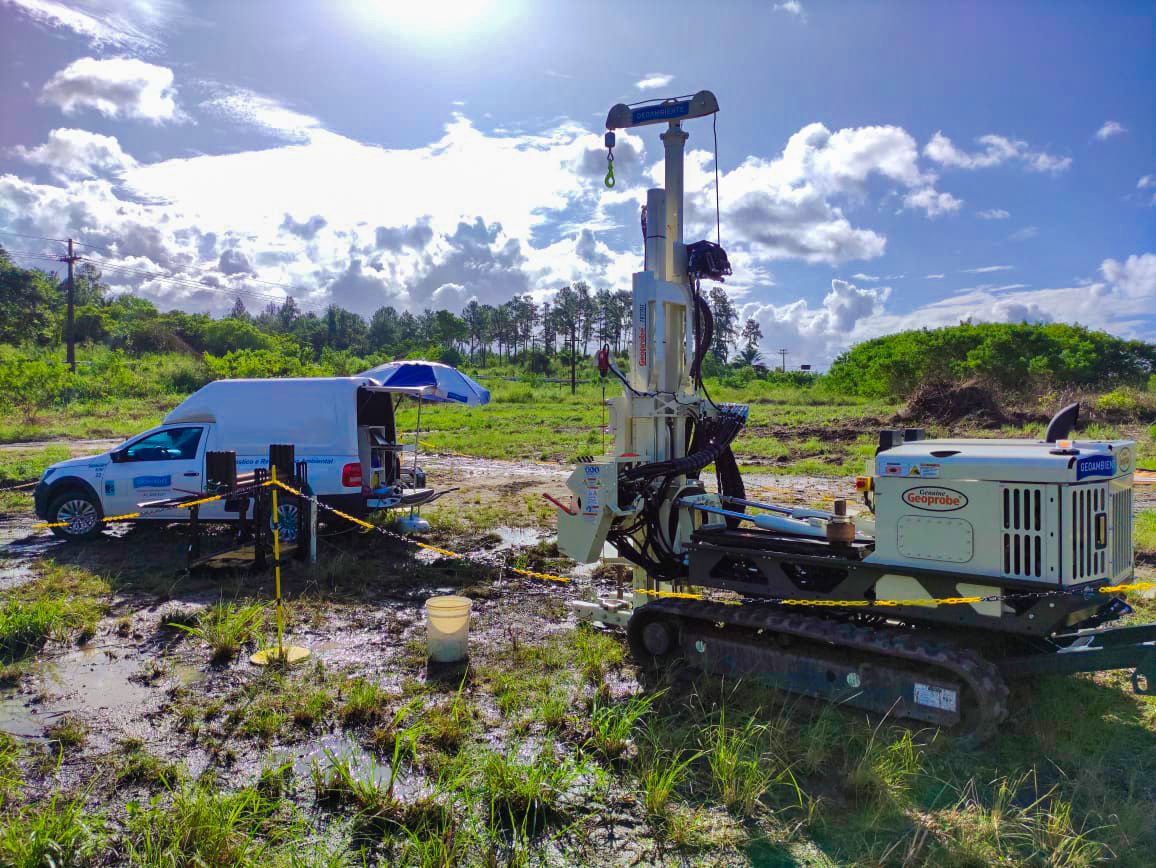
Knowing what lies beneath the surface, precisely, is the first step toward sound environmental…
Learn more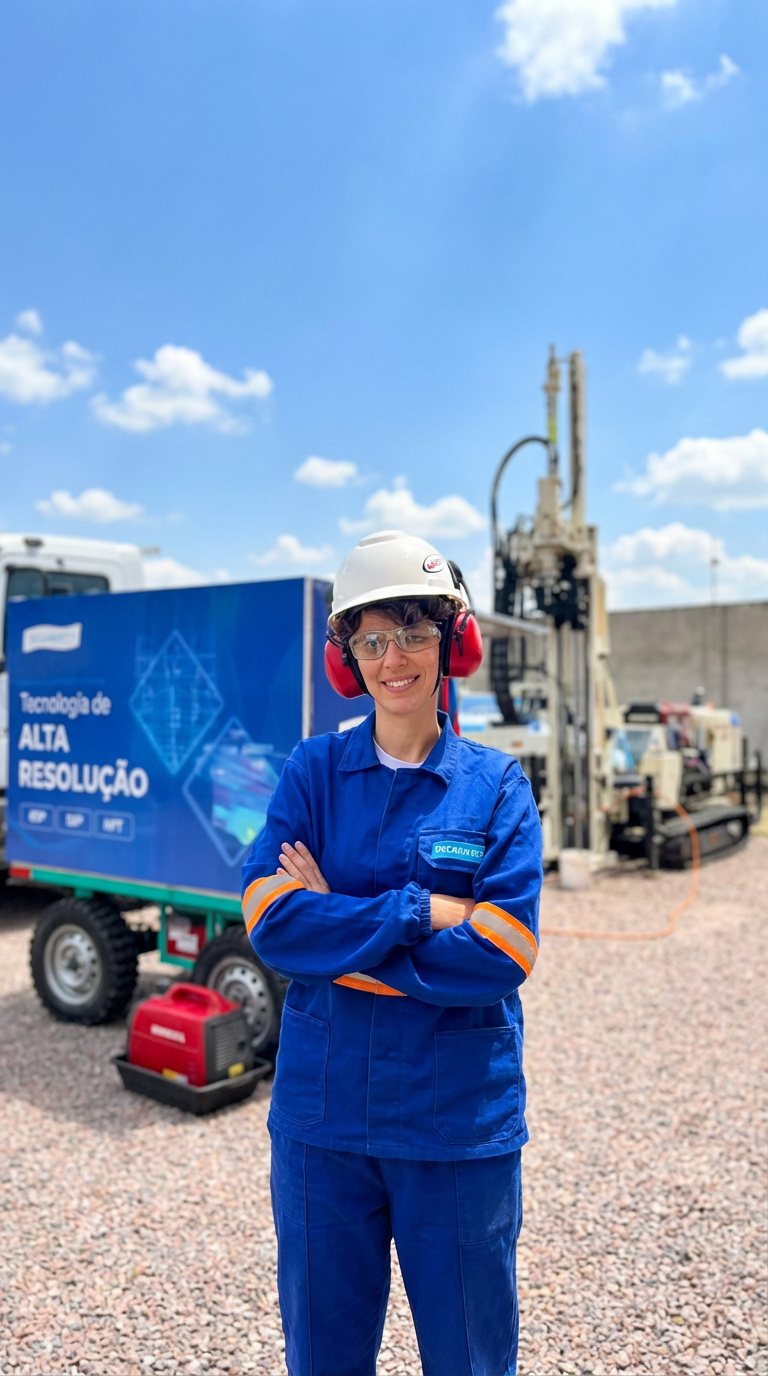
Over 23 years helping companies diagnose, remediate and close out environmental liabilities across Brazil, send us your details and our technical team will get in touch.