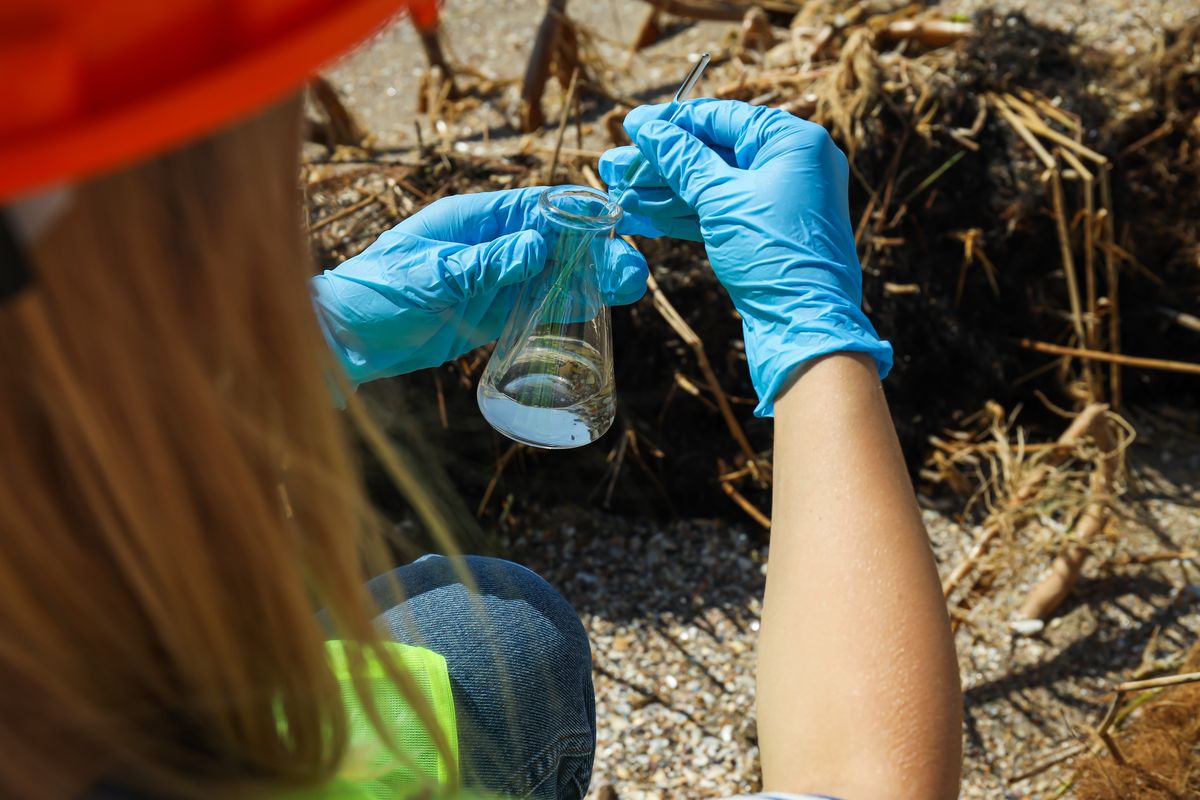
After understanding what's present in the subsurface, where the contamination lies, and how it may move, one of the most decisive steps in contaminated site management begins: deciding how to intervene.
Every project brings its own mix of contaminants, geological and hydrogeological conditions, operational constraints, current and future land use, treatment goals, and timelines. That's why effective remediation has to be designed for the site, not simply copied from another case.
The Intervention Plan consolidates the available data and sets out the technical strategy for reducing, controlling, removing, or treating the contamination. The Remediation Executive Design turns that strategy into field-ready engineering, detailing systems, operating parameters, infrastructure, controls, and monitoring criteria.
Throughout execution, results are evaluated continuously. Concentration trends, hydraulic behavior, system performance, and the subsurface's response make it possible to adjust parameters and focus efforts on the zones that still need treatment.
Thermal remediation, chemical oxidation, pump-and-treat, vapor and liquid extraction, and the use of surfactants are among the alternatives that can make up the strategy. Which solution applies depends on the site's characterization and the goals set for the intervention.
Accumulated experience in investigation and remediation makes it possible to connect diagnosis to execution. That technical continuity keeps engineering decisions from being made without regard to the conceptual model built during characterization.
Evaluate intervention alternatives driven by performance, timeline, and your site's specific characteristics.
Talk to our team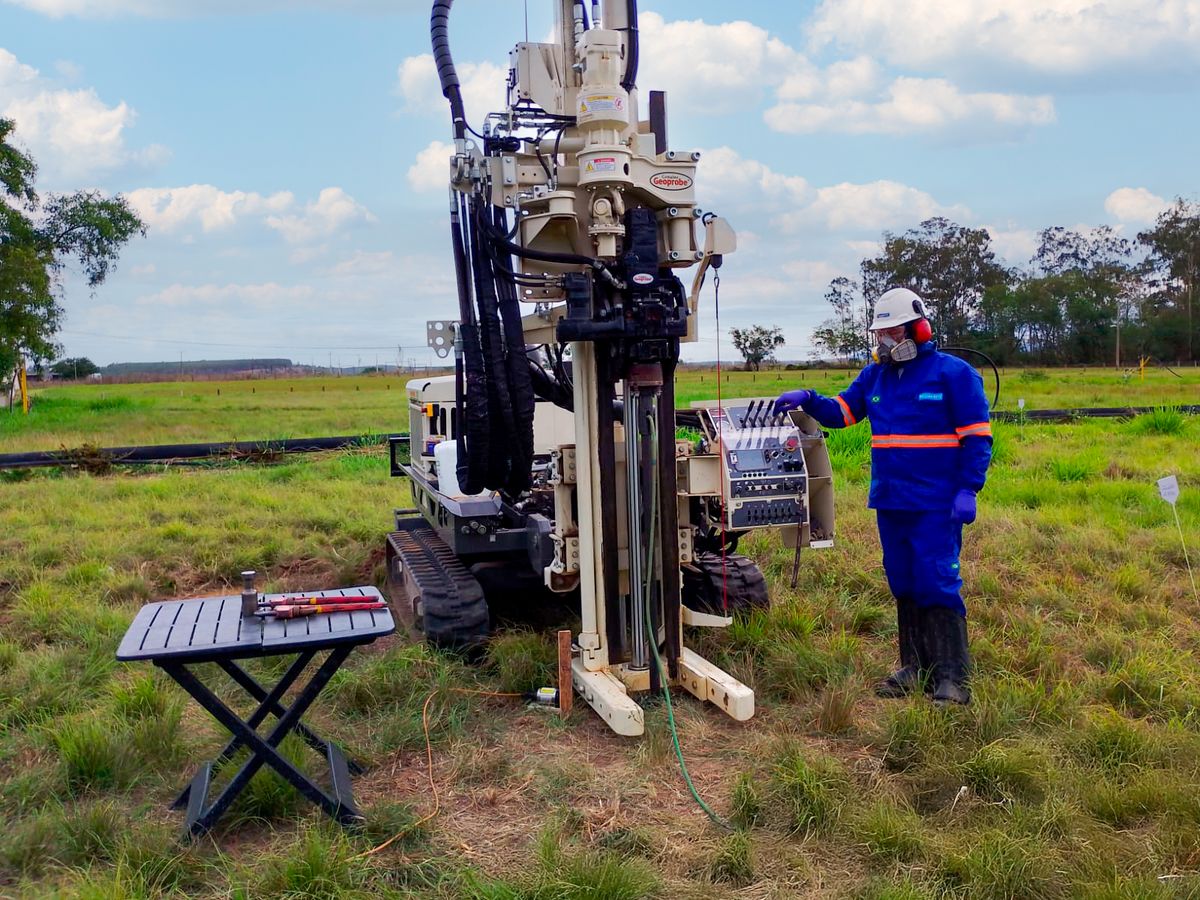
Remediation treats. Monitoring proves, with evidence, that the strategy delivered the expected…
Learn more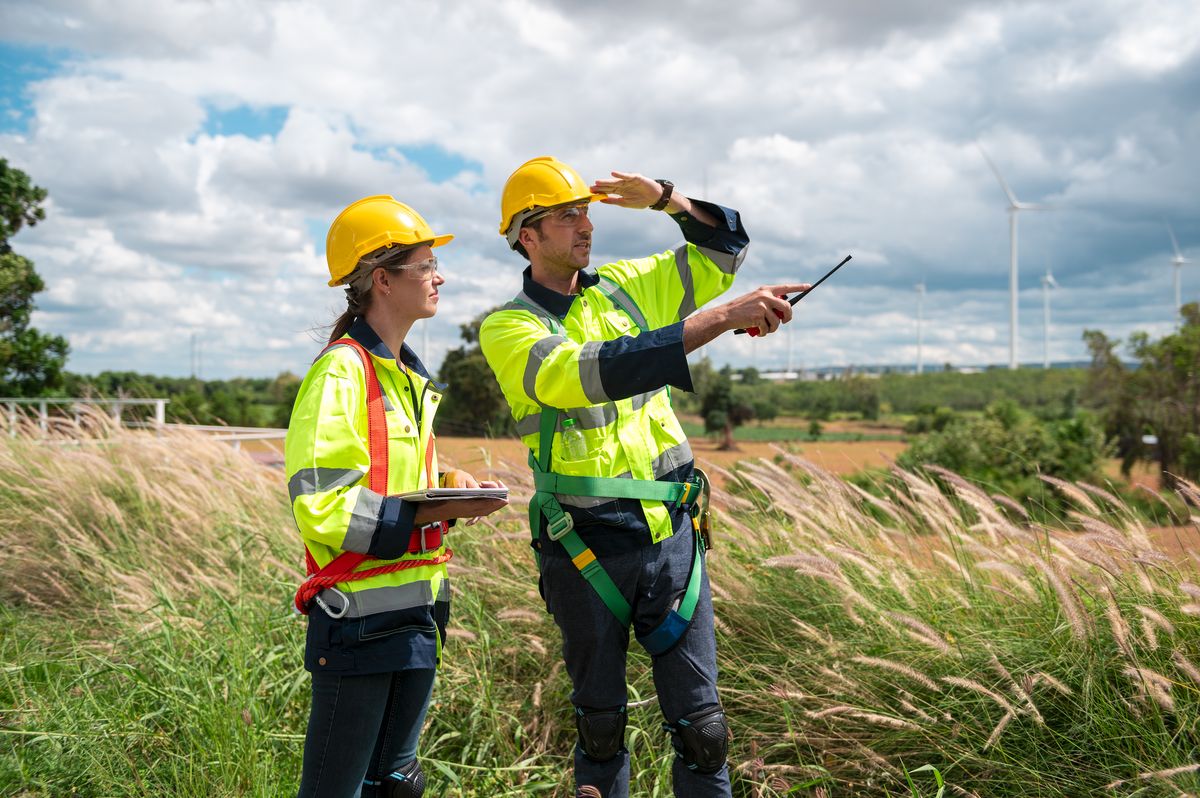
Complex environmental decisions need to speak the language of business…
Learn more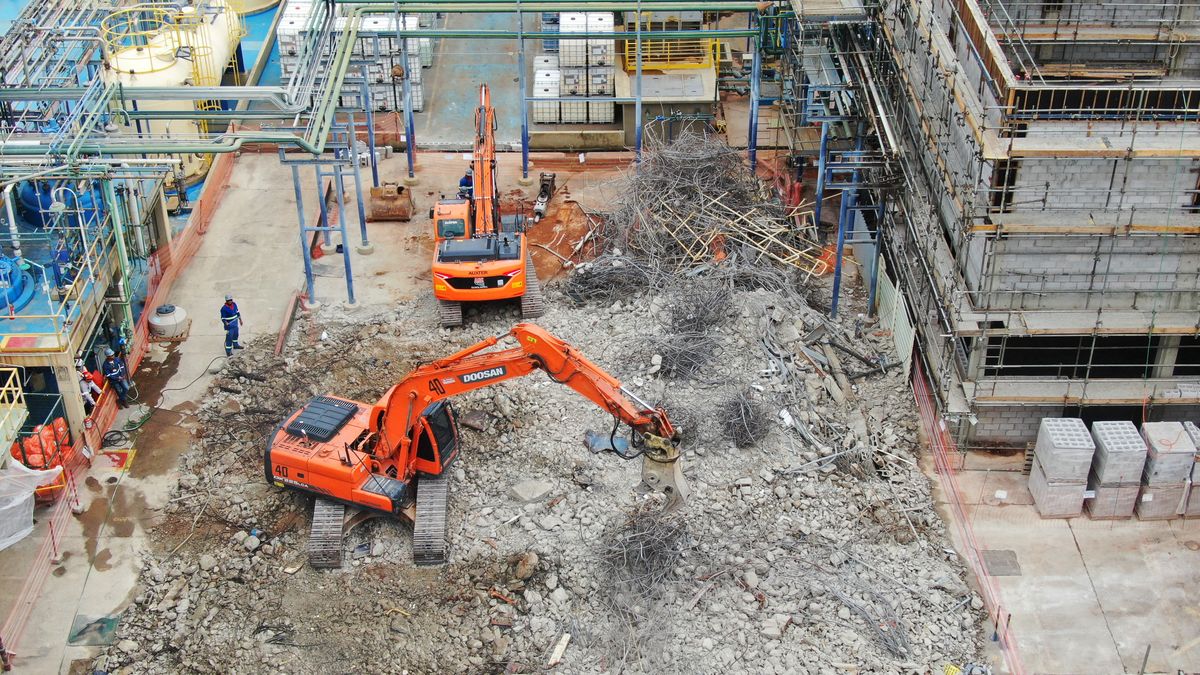
Decommissioning an industrial facility means closing out an operating cycle without passing risk on…
Learn more
Technology only delivers results when it's applied to the right…
Learn more
Over 23 years helping companies diagnose, remediate and close out environmental liabilities across Brazil, send us your details and our technical team will get in touch.